How to think about AI so every decision gets easier.
Where is the room today?
Beyond the chatbot: a discovery engine

The cosmic compute frontier: AI in orbit



Early career




From games to DoD therapy tools





Today
Kodak invents the digital camera.

The tip: the shallow end
Marketing copy, social captions, email drafts. High noise, low competitive advantage.
The body: the deep end
- 01Quoting & estimating from plan sets
- 02Sheet indexing & title-block extraction
- 03Bid documents & RFP review
- 04Job tickets, routing & reorders
- 05Contract risk & AR follow-up
The real value lives in the repetitive thinking work that slows you down at work.
Low noise. High strategic ROI.
Using AI to get ROI.
Most businesses buy AI and never measure it. Done right, it pays for itself, and the math fits on a napkin.
Illustrative math. Your hours and rates will differ.
One client question: “Where do we stand, and what changed?” The answer is spread across hundreds of documents.
One question. Every record in the company.
Every meeting. Every promise.
Send the revised quote for Hillcrest's plan setsSep 11Overdue

Rush 40 bid sets for Pinecrest BuildersSep 19Kept

Price scanning for Delgado's 3,000-sheet archiveSep 26Overdue

Call back about the plotter lease renewalOct 2Open3 follow-up emails for the overdue promises. Nothing sends until you approve it.
Review 3 draftsEvery lead, researched before you call.
Halvorsen Architects
- Three commercial projects announced since August
- Hiring a project coordinator, so plan sets go out every week
- Asked about large-format color on the form
“You have three projects heading to bid. Who's printing your bid sets today?”
Uses a national chain today. Lead with turnaround, not price.
It does the work. A person approves it.
From a 4-hour delay to a 5-minute quote
Tracing zoning, setbacks, and permitting across government sites to answer one quote request.
A structured agent trained on the municipal code PDFs returns a checklist.
The ROI is buried
in the noise.

The evolution of frontier intelligence

Frontier AI: the October 2026 reality
From answering to executing.
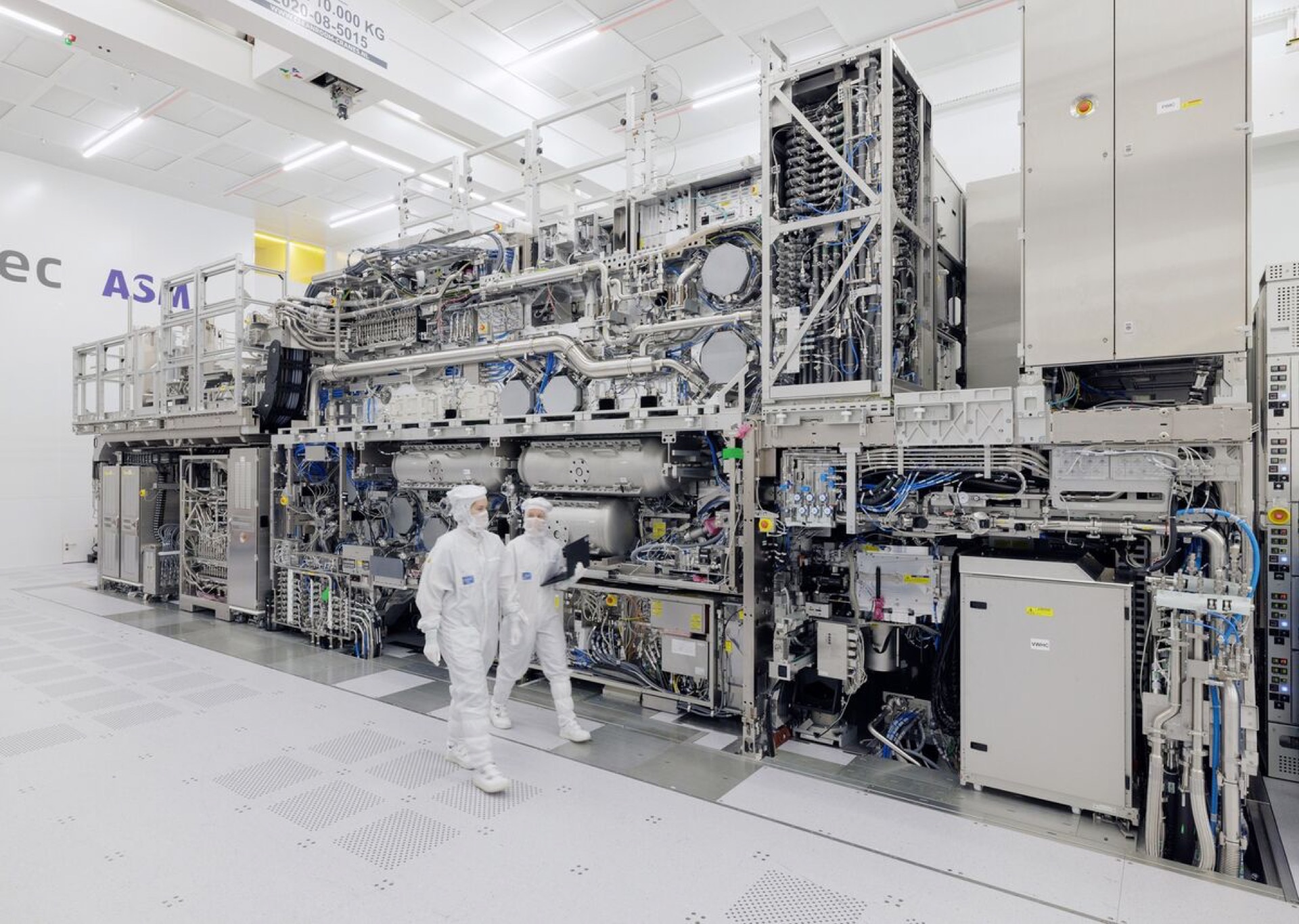
The cloud is not a cloud. It's a warehouse.


Anthropic's 2025 computing bill ($7.3B) was bigger than its revenue ($4.6B).
of the world's most advanced chipmaking capacity was in Taiwan (BCG and SIA, 2019 data).
US electricity going to data centers, 2024 to 2030 (Berkeley Lab).
The next five years
Agents already execute
AI no longer just answers. It runs email, quoting and follow-up, and your competitors are putting it to work this year.
Cheaper, and closer to home
The subsidy ends, but models keep getting smaller and more efficient. Local models on your own machines save money and keep your knowledge in your building.
Knowledge work industrializes
Reading, comparing, drafting and routing are becoming machine work right now. Judgment stays human.
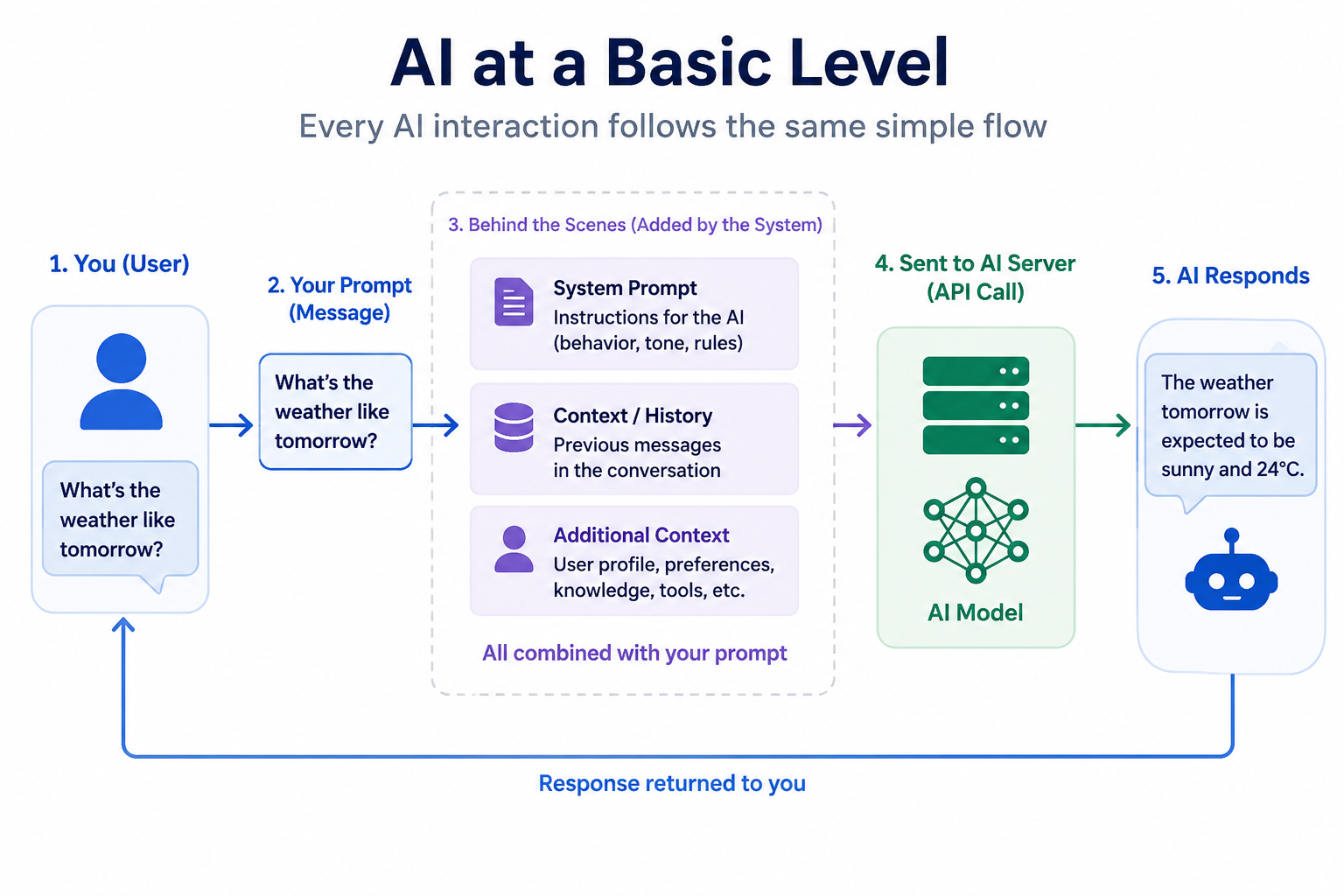
A chatbot is a doorway. Cognitive leverage is the building.
AI as an app.
Open it like Excel or Word to write a single email, then close it.
AI as cognitive leverage.
The ability to multiply every repetitive thinking workflow in the business.
You aren't scanning paper. You're building searchable intelligence.
What a full
build looks like.
Hundreds of parts between your files and one good answer.
You can start today.
ChatGPT, Claude or Gemini can already do real research for you. Here is one to try this week.
- Start this afternoon
- Research, drafts and summaries
- No setup, nothing to install
- It doesn't know your jobs, customers or prices
- It starts from zero every chat
- You copy, paste and check everything
- Your data rules are up to each person
A full build connects it to your business. Start here either way.
The vendor trap
Badge, not capability
Every software company is adding an AI badge to its pricing page.
Your data is the price
Thin wrappers around public models, marked up, sometimes training on your data.
Costs more than it saves
Setup, bugs, approvals, and review for work a chat window already does.
Buy outcomes, not badges.
Stop buying AI. Buy solved bottlenecks, measurable workflows, and protected data.
Three questions before any AI spend
You already have an AI policy. Your employees wrote it.
High risk, zero oversight
Data leaks, compliance risk, no quality control. A habit, not a strategy.
Boundaries, approved tools, human review
The same speed, pointed somewhere safe.
Establish your safe zones
Customer records
Names, addresses, contact lists, CRM exports
Financial data
Balance sheets, tax returns, banking, pricing sheets
Contracts & legal
NDAs, vendor agreements, employee disputes
Credentials & IP
Passwords, server keys, product specs, code
Client drawings
Unreleased designs, bid sets, and security-sensitive facility plans
Need AI on these? Use enterprise-grade, secure APIs or local, offline models.
Deepfake fraud

Real-time synthetic media
Cloned voices and live face-swaps. Americans reported $893M in AI-enabled scam losses to the FBI in 2025.
A finance employee wired it after a live video call where every other "executive" was AI-generated.
Out-of-band verification
Mandatory call-back on a known number for every payment, bank change, or rush order.
One sentence. Five seconds.
The one-page AI policy
Approved tools only
Which AI tools are authorized, and how a new one gets reviewed.
Allowed vs. prohibited data
The safe-zones list, in writing.
Human in the loop
Every output is reviewed and edited before it leaves the building.
Code & legal restriction
Nothing published without senior technical or legal review.
Escalation path
One named person for new tool requests and incidents.
Start here, this month.
Sign your AI policy
Draft it in the workshop today. Sign it. Hand it to your team.
Set a callback rule
No payment or bank change on a call or a video alone. Ever.
Measure one workflow
Pick your most repetitive task and write down the hours it takes this week.
Name your AI champion
One curious person who owns it, and brings questions back to you.
Who drives this in your business?
Computers had one. The internet had one. AI needs one too. None of this happens without a person.
Not age. Not a title. Not a computer science degree. An organized, curious operator who owns the exploration.
Your youngest people already think AI-first. Give that energy real responsibility and a seat at the table.
When the thinking you need isn't inside your walls, bring it in: advisors, builders, fractional expertise.
What work deserves a human life?
AI shouldn't be used merely to cut costs or replace headcount. It should buy back your time for what machines can't replicate:
The future is built by the operators.
AI doesn't replace your judgment. It gives your judgment leverage.

AI for good: four pillars
Access
Expanding clinical care, expert knowledge, and education to everyone, everywhere.
Protection
Defending public trust; building barriers against deepfakes and bad actors.
Resilience
Autonomous systems that respond to crises and disasters when the pressure is highest.
Education
Practical literacy and strategic frameworks for local business owners and students.
Today is lesson one.
Next Pillar Academy is our group consulting room for owners and their teams.
A live call, every week
Bring your real work. Every call is recorded.
AI News, as it breaks
What changed, and what an owner should do.
Lessons
This talk, with slides and transcript, and new courses.
The Workshop
Your policy builder, ready-made policies and prompts.
A room of owners
Ask questions, share wins, see what works.
Your whole team
Seats for your staff, and private team calls.
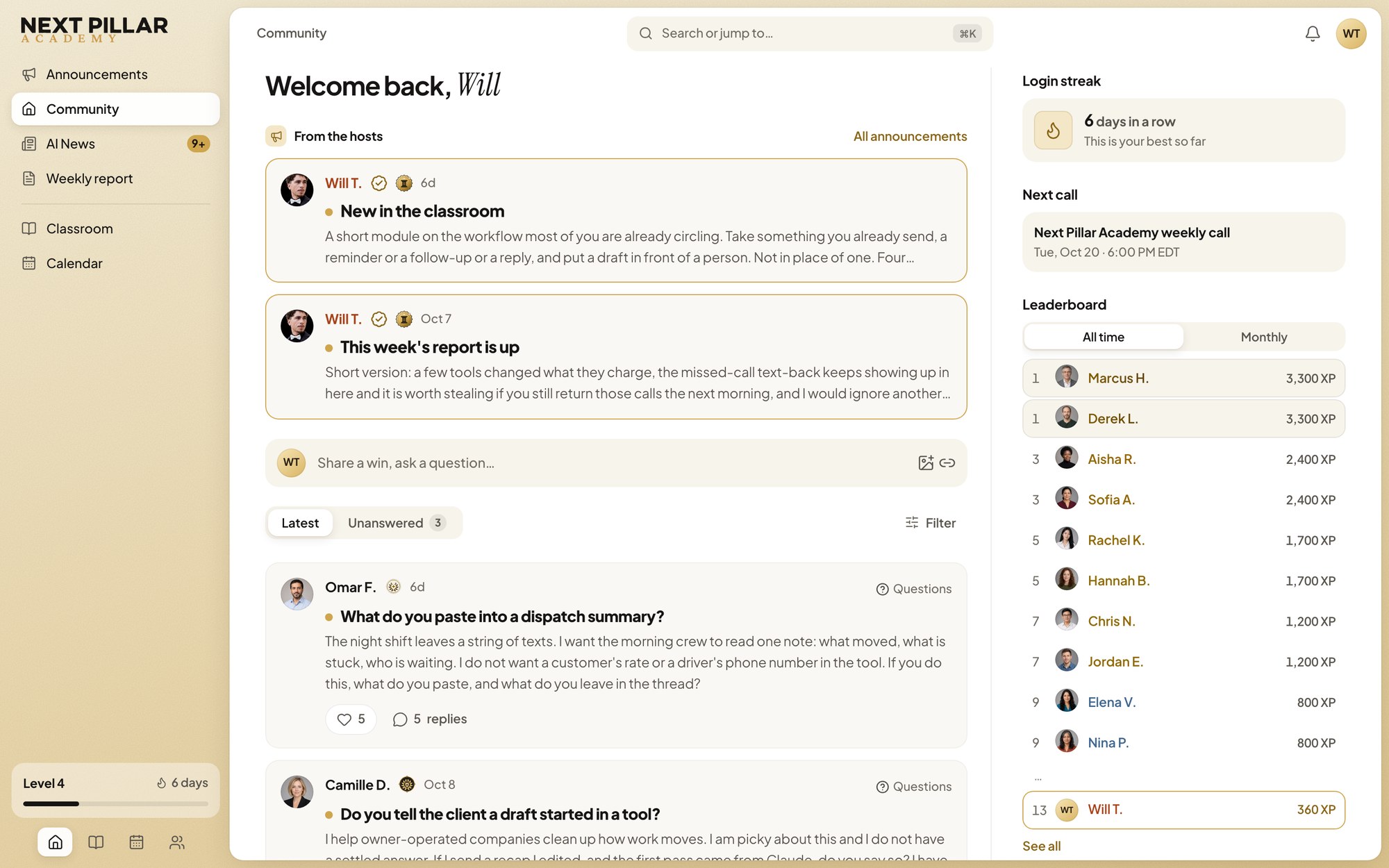
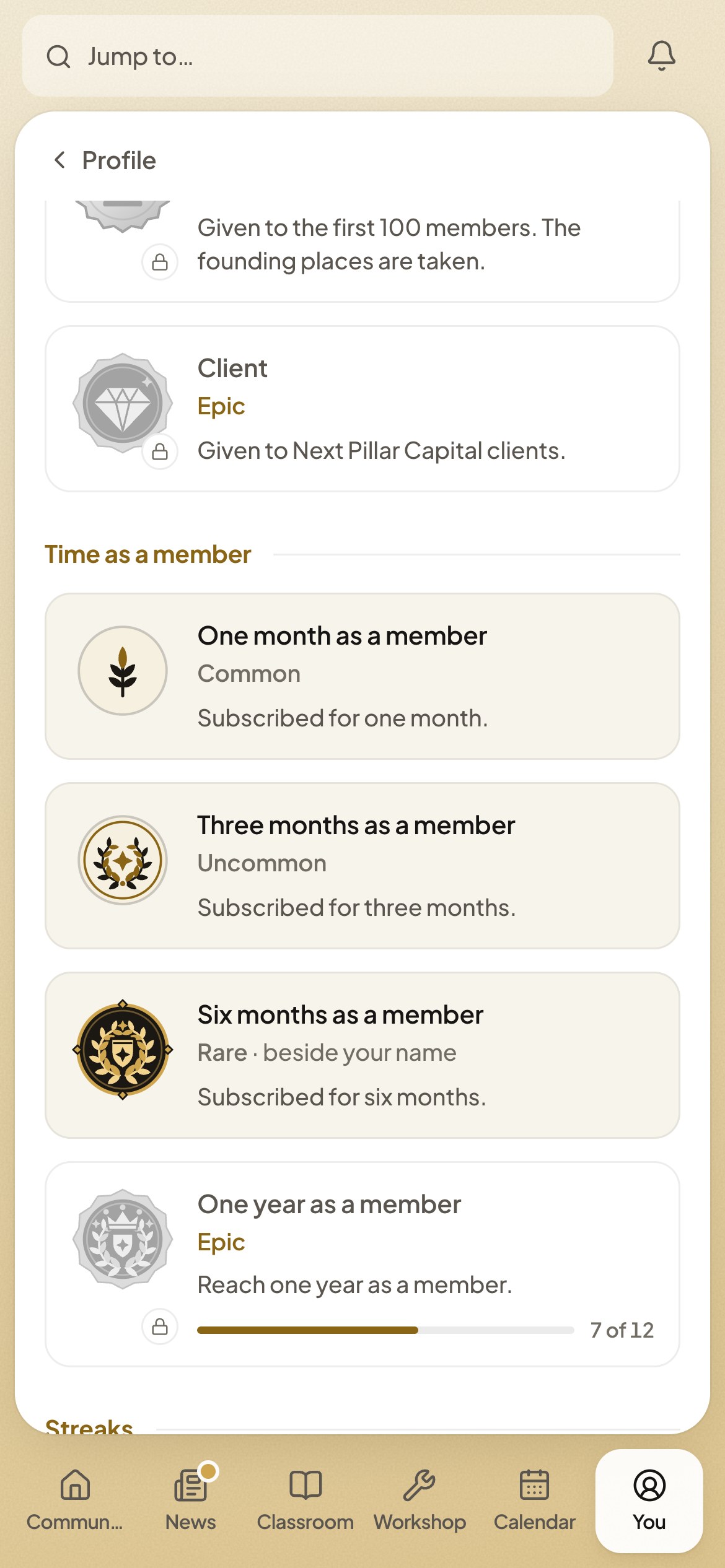
Join today as a founding member.
Locked in for as long as you stay.Cancel in the first week and you pay nothing.
Will Taubenheim

Build yours
right now.
On your phone. You leave this room with your company's one-page AI policy.
- 1Scan the codeOpen your phone's camera and point it at the screen.
- 2Join with the IRGA offerYour first week is free. Joined this morning? Just log in.
- 3Open the Workshop tabAnswer the questions. Your policy is drafted for you to print, sign and hand to your team.
Put AI to use. Free tools only.
ChatGPT or Gemini, search on.
Claude or ChatGPT. No safe-zone data.
Pick one boring, repetitive task.
1. What are the exact manual steps?
2. What data does it touch?
3. How would I know it worked?
Next 30 days: how will you research it and pilot AI on it?